Avoiding Construction Liens: A Tampa Bay Homeowner's Guide to Florida's Chapter 713
By Ivan Tello·November 2, 2026· 5 min read
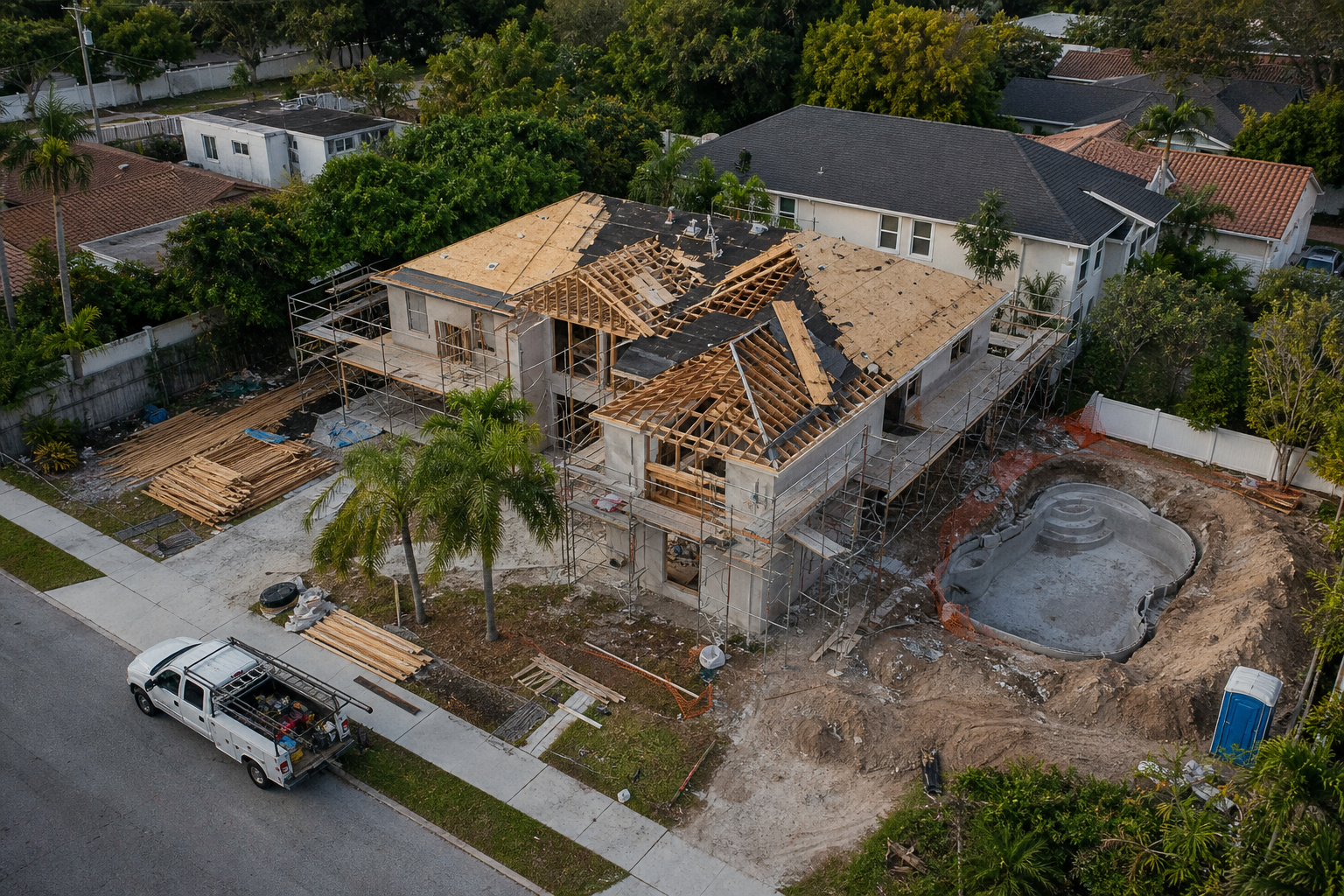
The Tampa Bay area is currently seeing a massive wave of home renovations. From historic bungalow restorations in St. Petersburg to modern upgrades in Wesley Chapel and new pool builds in Land O Lakes, homeowners are investing heavily in their properties. However, there is a legal trap that catches even the most diligent owners off guard: the construction lien.
Under Florida law, specifically Chapter 713 of the Florida Statutes, contractors, subcontractors, and material suppliers have the right to place a lien on your property if they are not paid for their labor or materials. The most shocking part? You can be forced to pay twice for the same work if your general contractor fails to pay their subs—even if you have already paid the general contractor in full.
At HauzMart Realty, we believe that informed homeowners are protected homeowners. Whether you are prepping a home for sale in Clearwater or just finished a kitchen remodel in Tampa, understanding the "Mechanic’s Lien" (more accurately called a Construction Lien in Florida) is essential to safeguarding your investment.
What is a Construction Lien?
A construction lien is a legal claim against your property’s title. It acts as security for those who have provided labor, services, or materials to improve your land or buildings. If the debt isn't settled, the lienholder can eventually foreclose on your home to satisfy the debt, much like a mortgage lender would.
In Florida, the Construction Lien Law is designed to protect those who increase the value of a property. While this seems fair on the surface, the "Double Payment" risk is real. If you pay your main contractor $50,000 for a project, but they fail to pay the lumber yard or the plumber, those third parties can record a lien against your home for their unpaid portions.
The Essential Paperwork: NOCs and NTOs
In the Florida real estate world, two acronyms are your best friends: NOC and NTO.
1. Notice of Commencement (NOC)
Before starting any project valued at more than $5,000 (or $15,000 for HVAC repairs/replacements), you or your contractor must record a Notice of Commencement in the public records of the county where the property is located (e.g., Hillsborough, Pinellas, or Pasco).
The NOC is a public announcement that work is beginning. It provides all the necessary contact information for subcontractors and suppliers so they know where to send their notices. Most importantly, it protects you. When you record an NOC and follow "proper payment" procedures, your liability for liens is limited to the total contract price. Without a recorded NOC, you may find yourself liable for much more.
2. Notice to Owner (NTO)
If a subcontractor or supplier does not have a direct contract with you (the homeowner), they must serve you with a "Notice to Owner." In Florida, this must be done within 45 days of the date they first furnished labor or materials to your job site.
Receiving an NTO is not a bad thing—it is a signal that this party is protecting their right to get paid. For the homeowner, it is a "Who’s Who" list of everyone you need to ensure is paid before you release the final check to your general contractor.
Protecting Your Tampa Bay Investment
How do you navigate a major project in the Tampa Bay area without losing sleep over liens? Follow these steps to ensure "Proper Payment" under Florida law.
Verify Your Contractor
Before signing a Florida Realtors/FR-BAR contract for a major renovation, verify your contractor’s license through the Florida Department of Business and Professional Regulation (DBPR). Ensure they have active workers' compensation and liability insurance. In our local market, the age of a roof or the quality of electrical work significantly impacts your ability to get Citizens Property Insurance, so hiring reputable, licensed professionals is non-negotiable.
Require Lien Waivers
Never make a progress payment without receiving a "Partial Release of Lien" from the contractor and every subcontractor or supplier who has sent you an NTO. This document states that they have been paid for work through a specific date and waive their right to lien your property for that amount. Before making the final payment, you must receive a "Final Release of Lien" from everyone involved.
The Contractor’s Final Affidavit
Florida Statute 713.06 requires your contractor to provide you with a "Final Payment Affidavit" at least five days before you make the final payment. This document lists any unpaid parties. If the affidavit says everyone is paid, and you have the lien waivers to prove it, you are generally protected. If the affidavit lists unpaid subs, you should issue joint checks or pay the subs directly (with the contractor's consent) to ensure the title remains clear.
Florida Nuances: Homestead and Title Insurance
Many Tampa Bay residents believe that Florida’s strong Homestead Exemption protects them from all creditors. While the homestead law is incredibly powerful—providing the Save Our Homes assessment cap (3%) and portability for your property taxes—it does not protect you from construction liens. A validly recorded construction lien can be foreclosed upon even if the property is your primary residence.
When it comes time to sell your home, a title company will perform a search for any "clouds" on the title. An unresolved construction lien is a major red flag that can derail a closing. If you are buying a recently renovated home in Wesley Chapel or Land O Lakes, your title insurance policy is your primary defense against "mechanic's liens" that might be recorded after you take ownership but relate to work done before the sale.
Furthermore, if you live in a community with an HOA or CDD (Community Development District), be aware that they may have their own requirements for architectural review and Notice of Commencement postings. Always check your community bylaws before the first shovel hits the ground.
Conclusion
A home renovation should be an exciting milestone, not a legal nightmare. By recording your Notice of Commencement, tracking every Notice to Owner you receive, and demanding lien waivers with every payment, you can enjoy your improved Tampa Bay home with peace of mind.
If you are considering selling your property and want to ensure your title is clear for a smooth transaction, or if you are looking to buy in the Tampa, St. Petersburg, or Clearwater markets, the team at HauzMart Realty is here to help. We understand the local nuances—from the March 1st homestead deadline to the intricacies of Florida's construction laws—that make our market unique.
For professional guidance on your next real estate move, contact Ivan Tello and the HauzMart Realty team today.
HauzMart Realty Broker: Ivan Tello Phone: (813) 803-2115 Service Area: Tampa, St. Petersburg, Clearwater, Wesley Chapel, Land O Lakes, and the surrounding Tampa Bay area.
Sources
Sources
Thinking about buying, selling or renting in Tampa Bay?
Talk to HauzMart Realty about what this news means for you.